
From June 29 to July 3, 2026, the École Nationale Vétérinaire d’Alfort (ENVA) and the Graduate School One Health–Emerging Infectious Diseases (1H-EID) of Université Paris Cité (UPCité) hosted the 2026 edition of the French-German Summer School. Over a week rich in scientific and cultural content, French researchers and lecturers met with students from Germany, Austria, Belgium, France, and Switzerland, brought together around a shared theme: re-emerging diseases and the One Health approach.
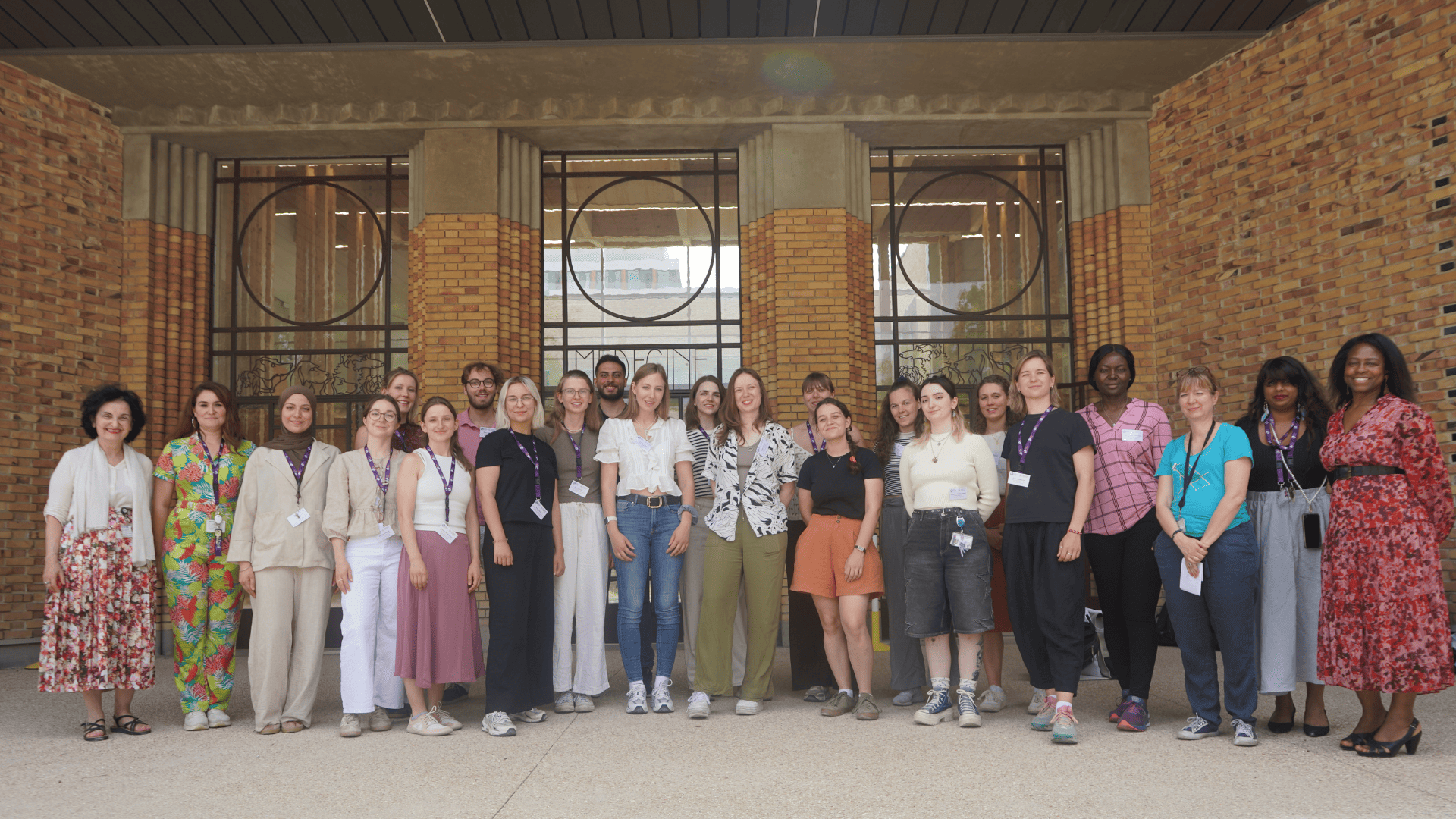
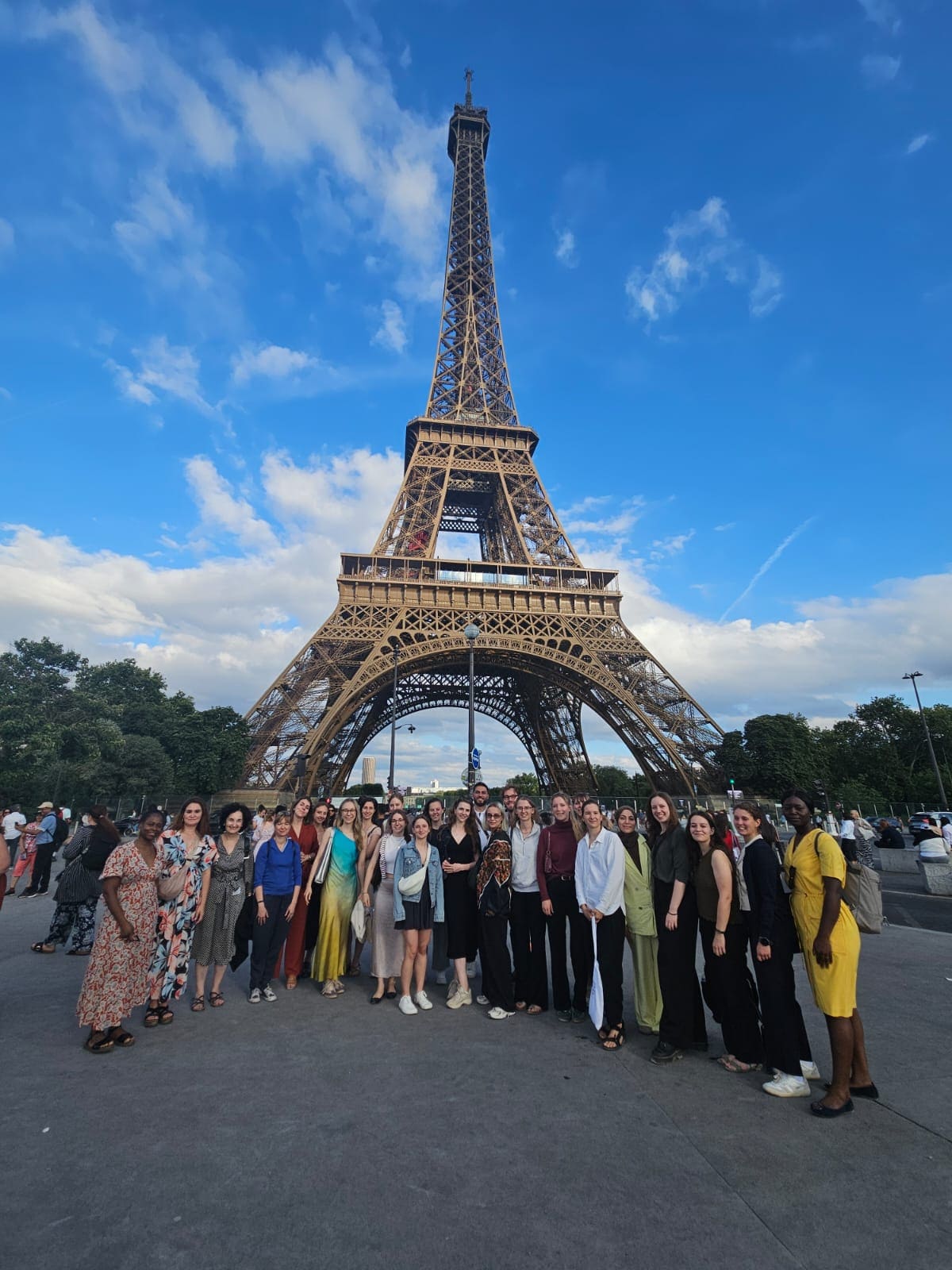
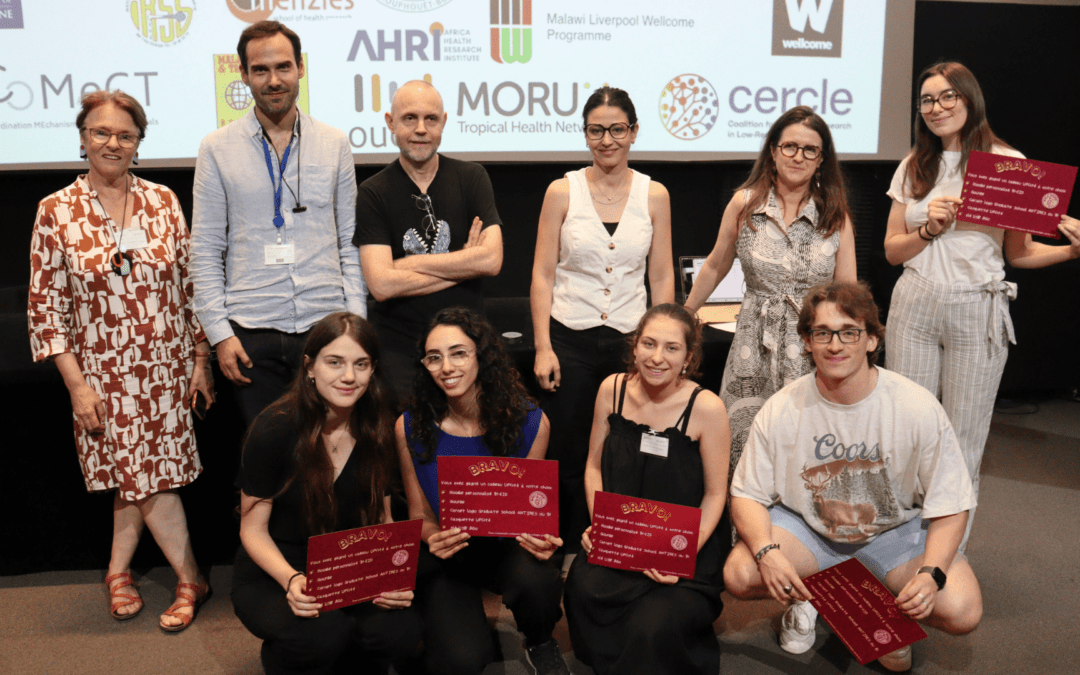
The summer school participants, accompanied by the organizing committee.
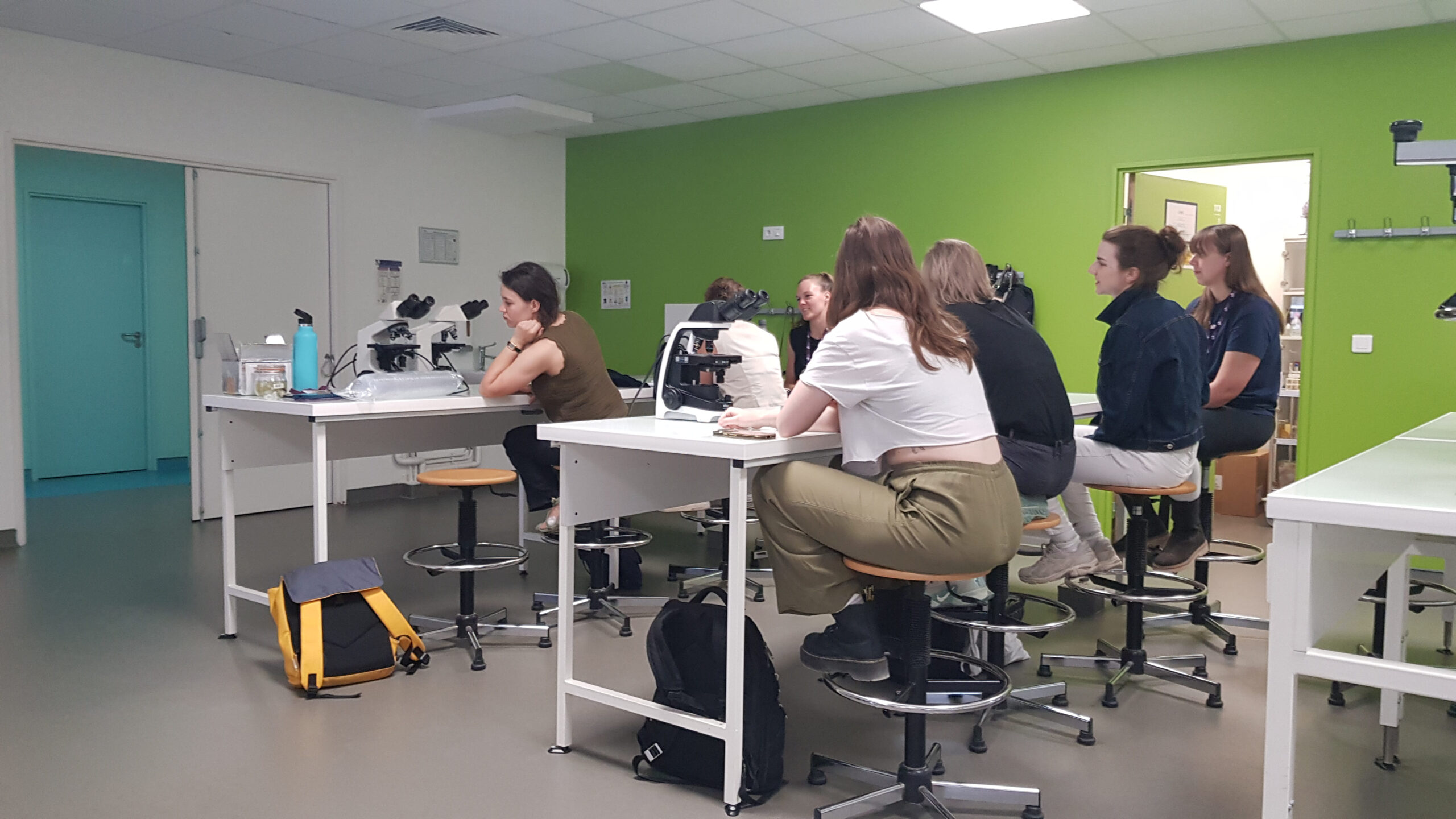
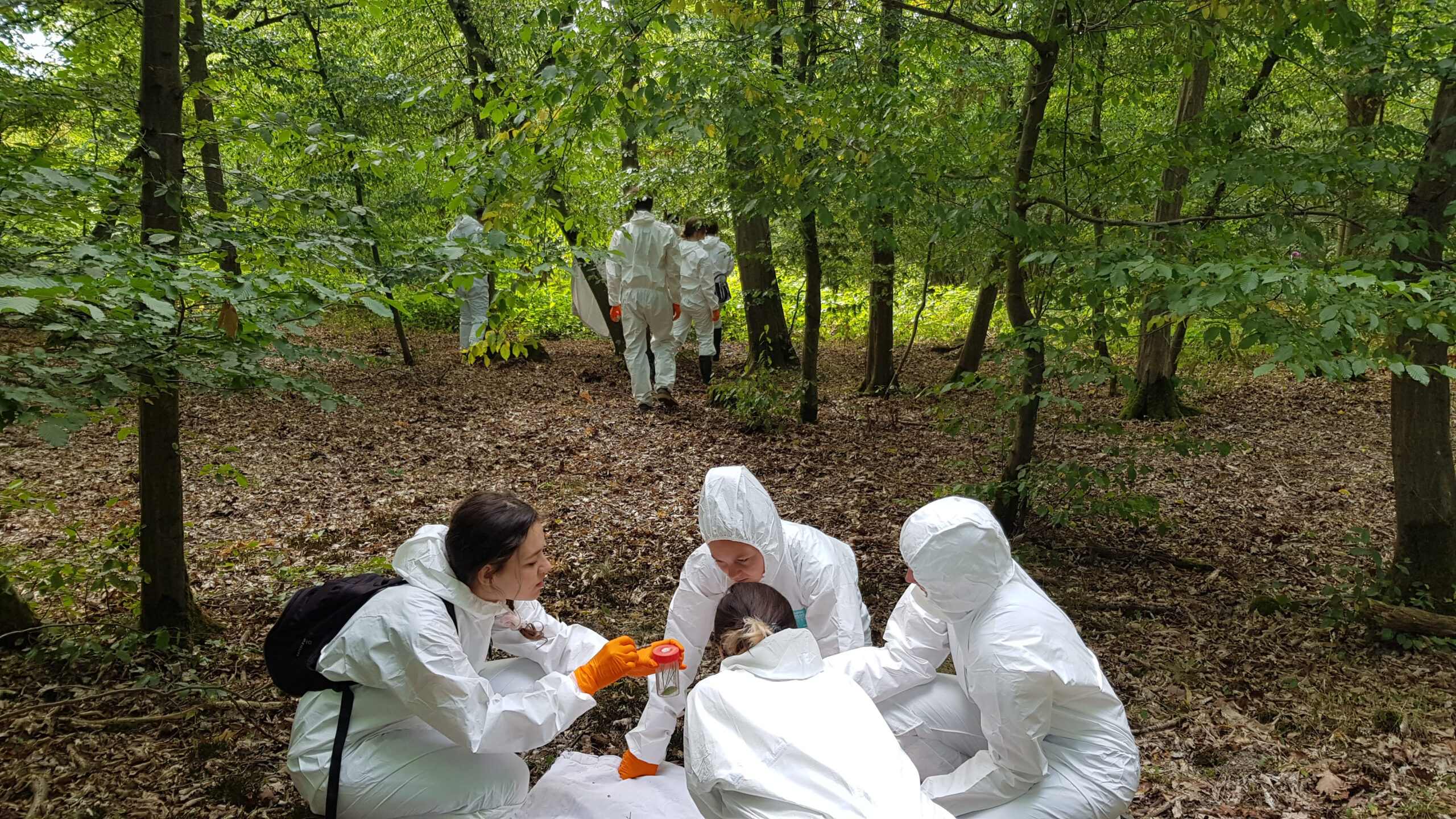
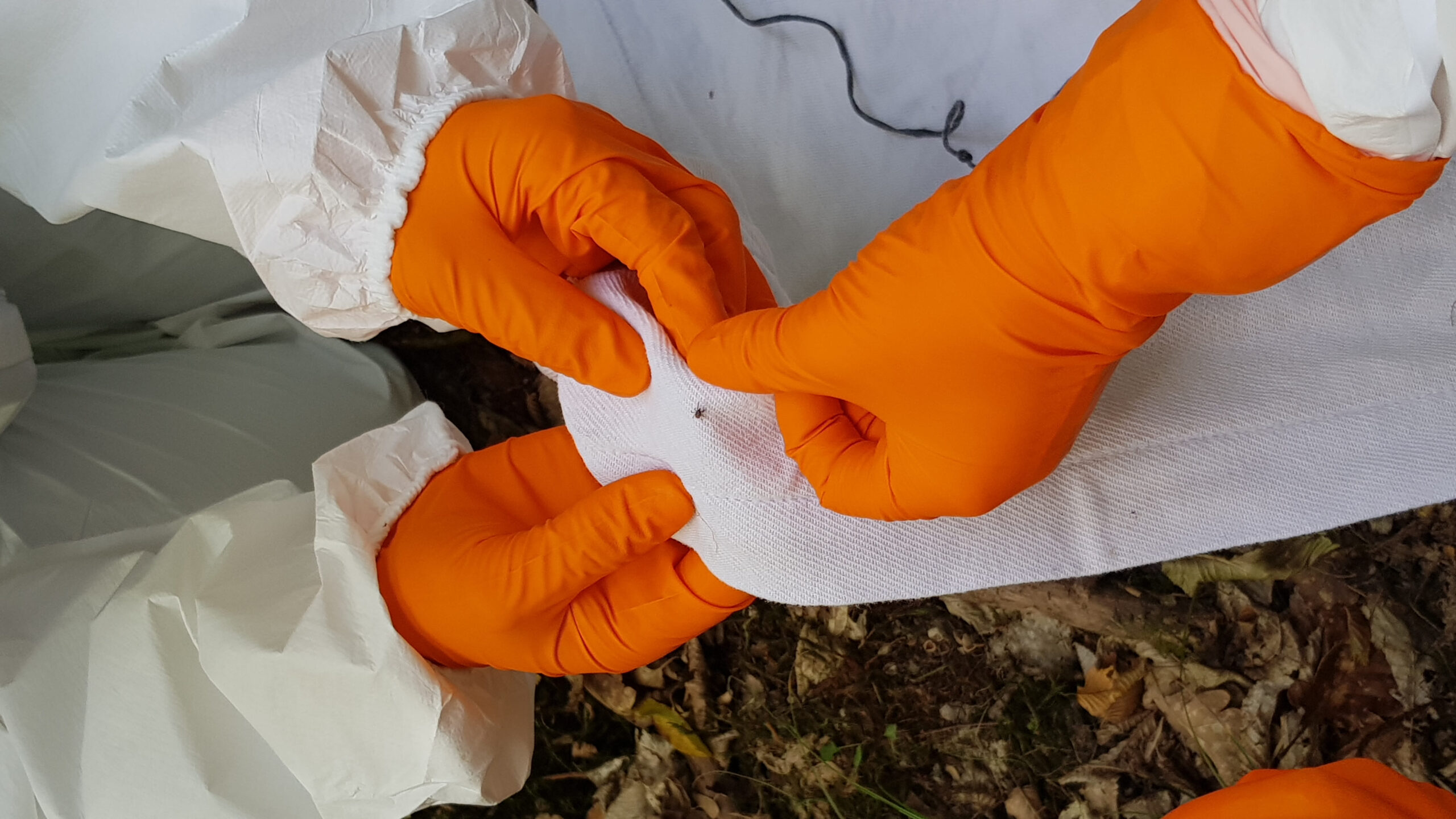
The scientific program covered a broad range of topics: the challenges of disease emergence in a globalized world, zoonoses such as hepatitis E, vector-borne diseases (ticks and flying insects), and coronavirus-related emergences. Participants also had the opportunity to train in cutting-edge techniques during hands-on sessions dedicated to RNAscope and tick diagnostics, as well as a field outing to collect ticks in the Sénart forest. A session devoted to ethics closed out the week, addressing inequalities in the face of health emergencies as well as the role of animal experimentation and its alternatives.
For those considering joining the next summer school, students share their advice:
“First of all, I would encourage any future student to make every effort to attend this summer school because of the interesting and relevant information gained from the various activities on offer. The field exercises and interactive activities were particularly successful. Future students should be ready to undergo practical training that will let them learn new and advanced techniques for identifying infectious pathogens, which is essential for understanding disease kinetics and potential treatment options.”. Regine, PhD student at the Veterinärmedizinische Universität Wien (Austria), researching the ecophysiology of desert stopovers in migratory passerines.
“I think the French-German Summer School was really worth it! I truly enjoyed both the academic content and the exchanges among PhD students. The group size was also ideal, which let us get to know each other well after just one or two days. Overall, it was exceptionally well organized, and I would do it again without hesitation!”. Svea, PhD student at the Veterinärmedizinische Fakultät, Universität Leipzig (Germany), researching meibocytes of the Meibomian gland.
“Don’t hesitate to take part even if it feels a bit outside your field, because it’s a holistic approach and you’ll come away with valuable lessons while meeting extraordinary people. Even just talking about everyday PhD life in another country was interesting!”. Léa, PhD student at the École Nationale Vétérinaire d’Alfort (France), researching the genetic and functional characterization of foodborne TBEV infection in a genetically diverse murine model.
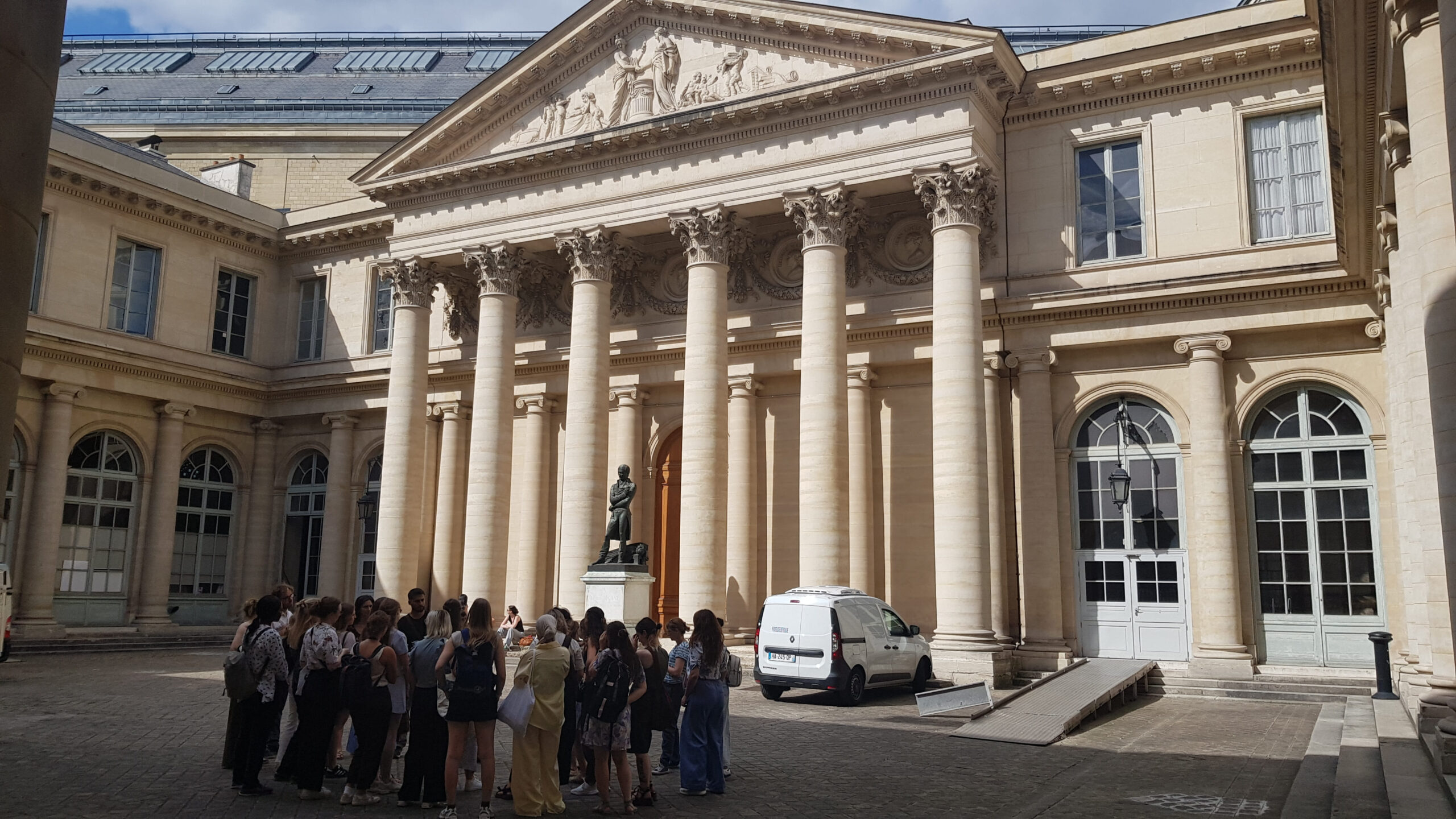
Beyond the scientific lessons, the week also offered a rich sociocultural program. Students visited the Fragonard Museum at Alfort (ENVA), explored several research platforms at the Institut Pasteur, and enjoyed a guided tour of Université Paris Cité’s Odéon campus followed by a cocktail reception. An evening cruise on the Seine, followed by a convivial dinner, marked a highlight of informal exchange among participants. A visit to the Museum of the History of Medicine in Paris (UPCité) rounded out this cultural immersion and was particularly appreciated by the students.
“I want to sincerely thank the whole team, including the organizers, speakers, and everyone involved, for giving me the opportunity to take part in this summer school. It was a truly enriching experience that let me discover the work of many PhD students and speakers whose research I will continue to follow in the future. Once again, congratulations on a successful edition, and thank you for all the time and effort put into making it such a rewarding experience.”. Evan, PhD student at the École Nationale Vétérinaire d’Alfort (France), researching co-infections in ticks: developing models and studying synergies/antagonisms between pathogens.
“I would tell future students that taking part in these activities is essential, as it gives them the chance to learn from and share their ideas and research with other PhD students, whether working on similar or different topics, creating a genuine space for collaboration and constructive critique. They will also find support, encouragement, and motivation to carry out their research according to best practices and techniques, helping to build the better world we all aspire to see. They will also form lasting friendships there, which can turn into enduring bonds and lead to future collaborations. Finally, I would tell them that it’s a unique opportunity to combine moments of exchange and conviviality with the scientific and practical aspects of fieldwork, for a rich and varied experience.”. Regine, PhD student at the Veterinärmedizinische Universität Wien (Austria), researching the ecophysiology of desert stopovers in migratory passerines.
This 2026 edition perfectly illustrates the spirit of the Summer School: combining scientific excellence, an interdisciplinary approach, and Franco-German conviviality, to train a new generation of researchers attuned to the challenges of re-emerging diseases.
Read more
The MIcrobeS Doctoral School: a strategic framework for doctoral training in microbiology and infectious diseases at Université Paris Cité
At the start of the 2026 academic year, the Microorganisms and Infection Doctoral School (MIcrobeS) officially opened at Université Paris Cité. This doctoral school, at the heart of today’s major scientific and health challenges, aims to train a new generation of...
AMR Horizons 2026: Three Days to Rethink Antimicrobial Resistance
From 8 to 10 July 2026, the Graduate Schools Antimicrobial Resistance and One Health – Emerging Infectious Diseases brought together researchers, healthcare professionals, representatives from industry, and students in Paris to address a shared challenge:...
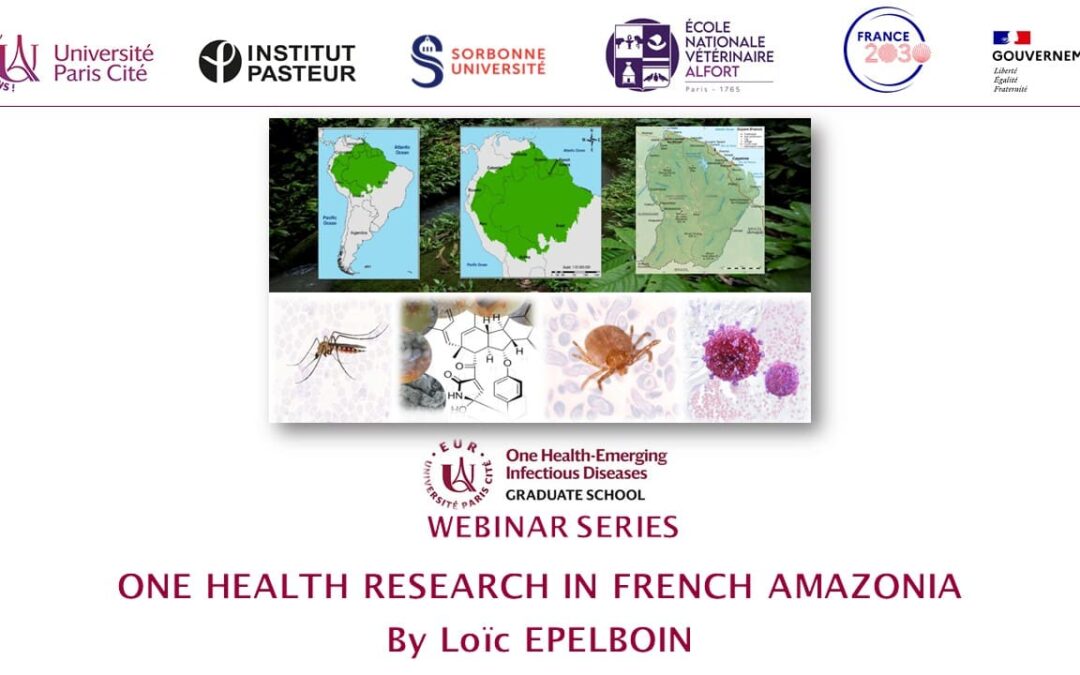
The Amazon, Viruses, and Vampires: what a year of 1H-EID webinars revealed to the world.
1,500 people connected from 30 countries. 14 sessions. Two languages. One question: how do we live with emerging diseases? As part of its pedagogical and digital innovation efforts to raise awareness among the widest possible audience, the Graduate School One Health...
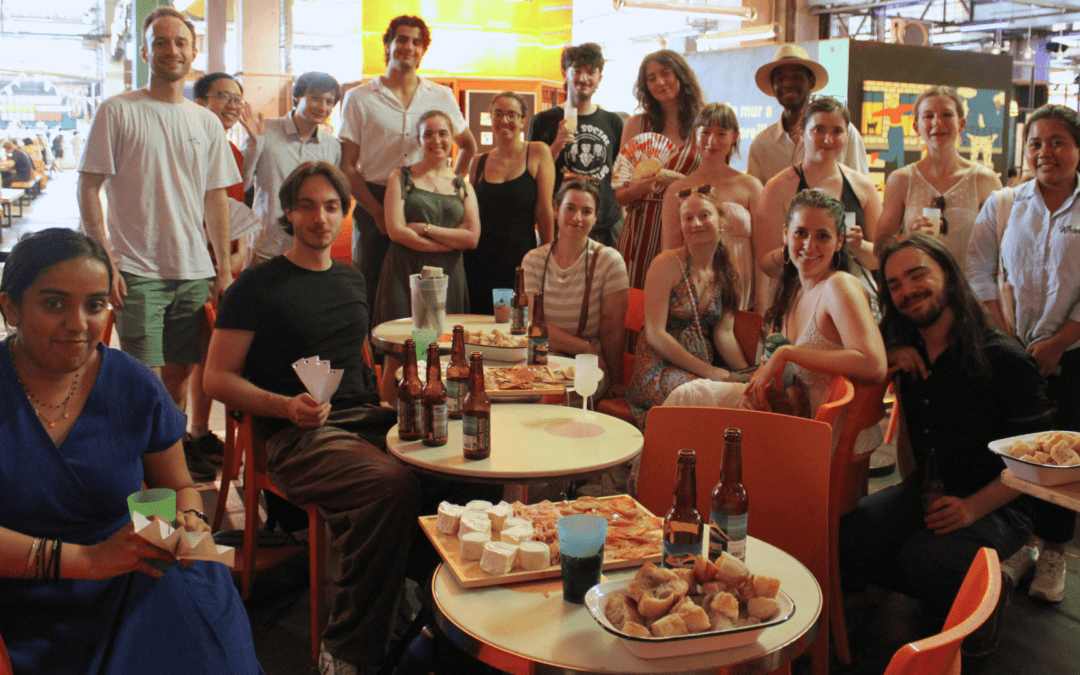
The Graduate School 1H-EID celebrates the 2025/2026 cohort of the MIE Master’s programme!
Congratulations to the graduates of the 2025/2026 cohort of the Master 2 Emerging Infectious Diseases (MIE) programme! To celebrate this achievement, the Graduate School One Health – Emerging Infectious Diseases organised a festive evening at Ground Control in honour...