
From 8 to 10 July 2026, the Graduate Schools Antimicrobial Resistance and One Health – Emerging Infectious Diseases brought together researchers, healthcare professionals, representatives from industry, and students in Paris to address a shared challenge: antimicrobial resistance, identified by the World Health Organization as one of the leading threats to public health in the 21st century.
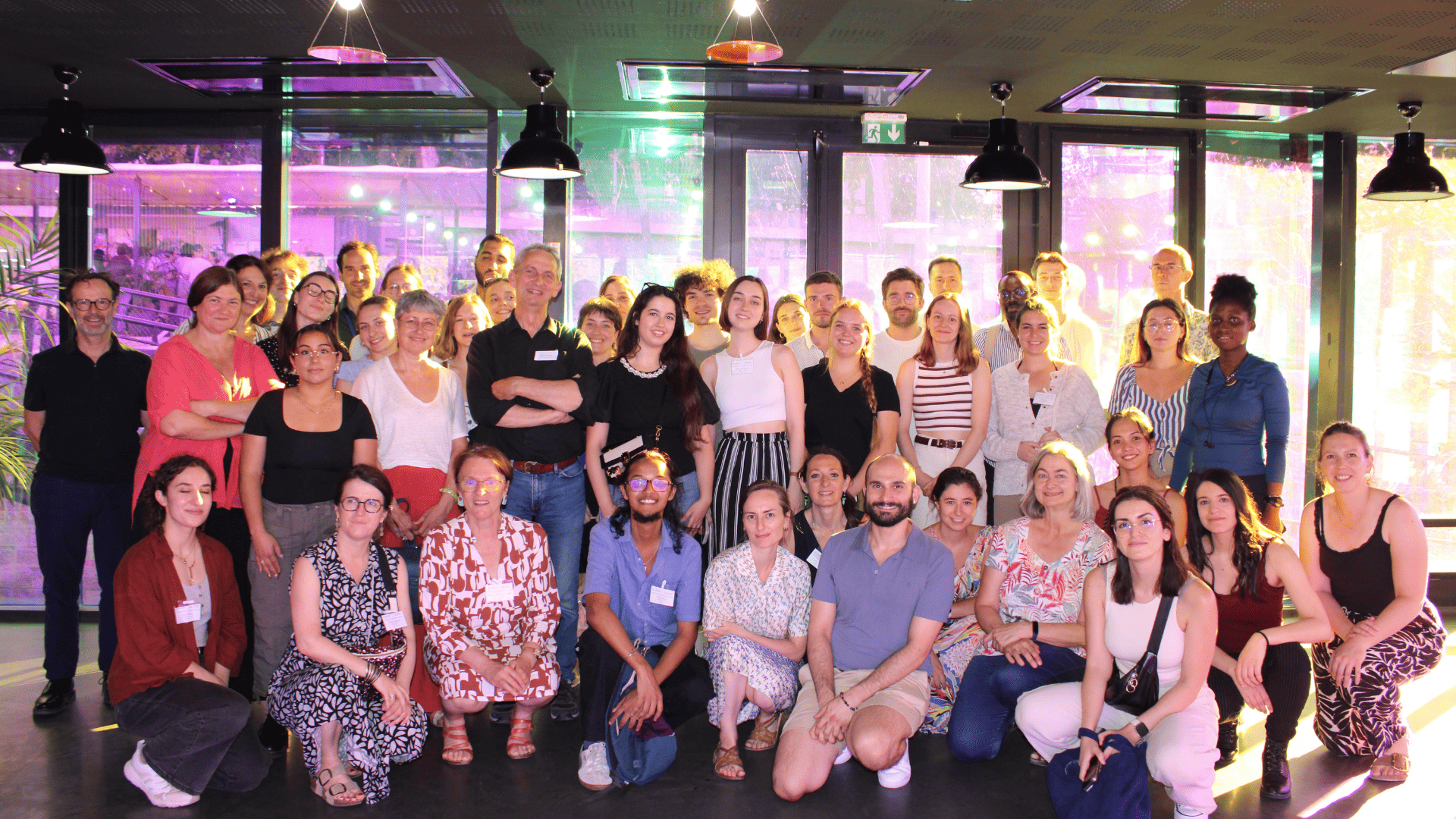
Entitled “AMR Horizons 2026: From Molecules to One Health”, this summer school offered a comprehensive scientific journey, from the molecular mechanisms of antimicrobial resistance to its global, epidemiological and interdisciplinary dimensions.
Understanding and tackling antimicrobial resistance
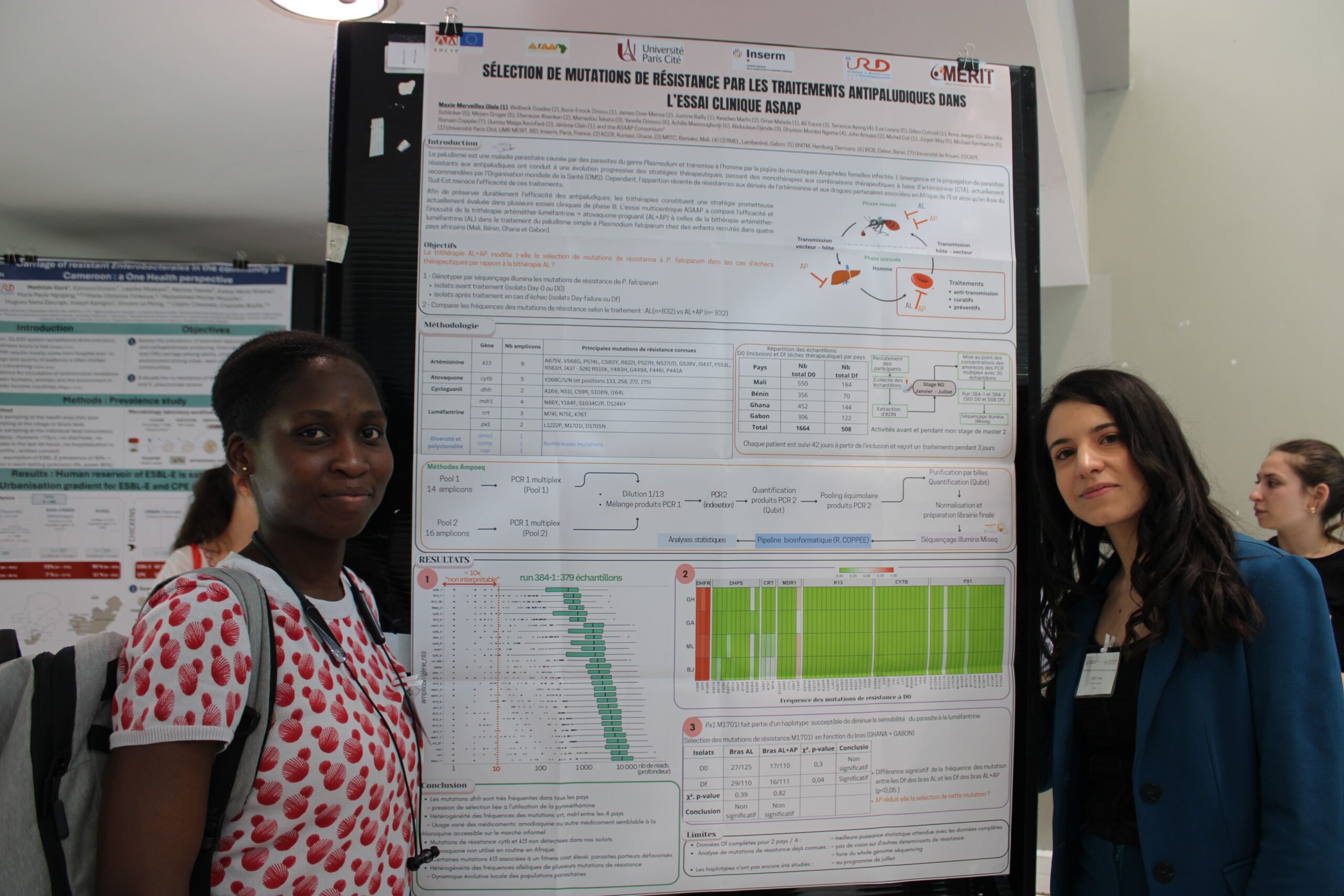
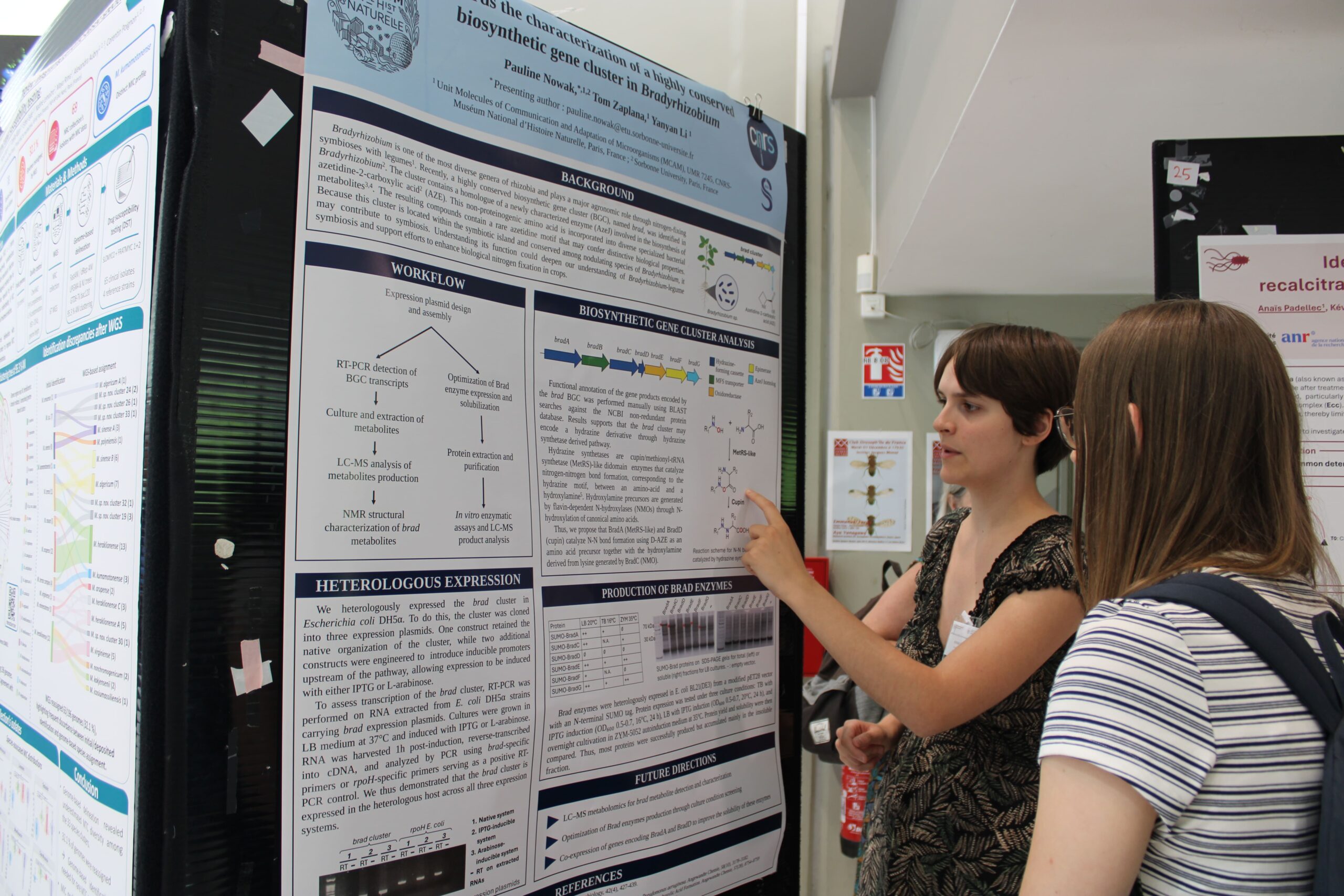
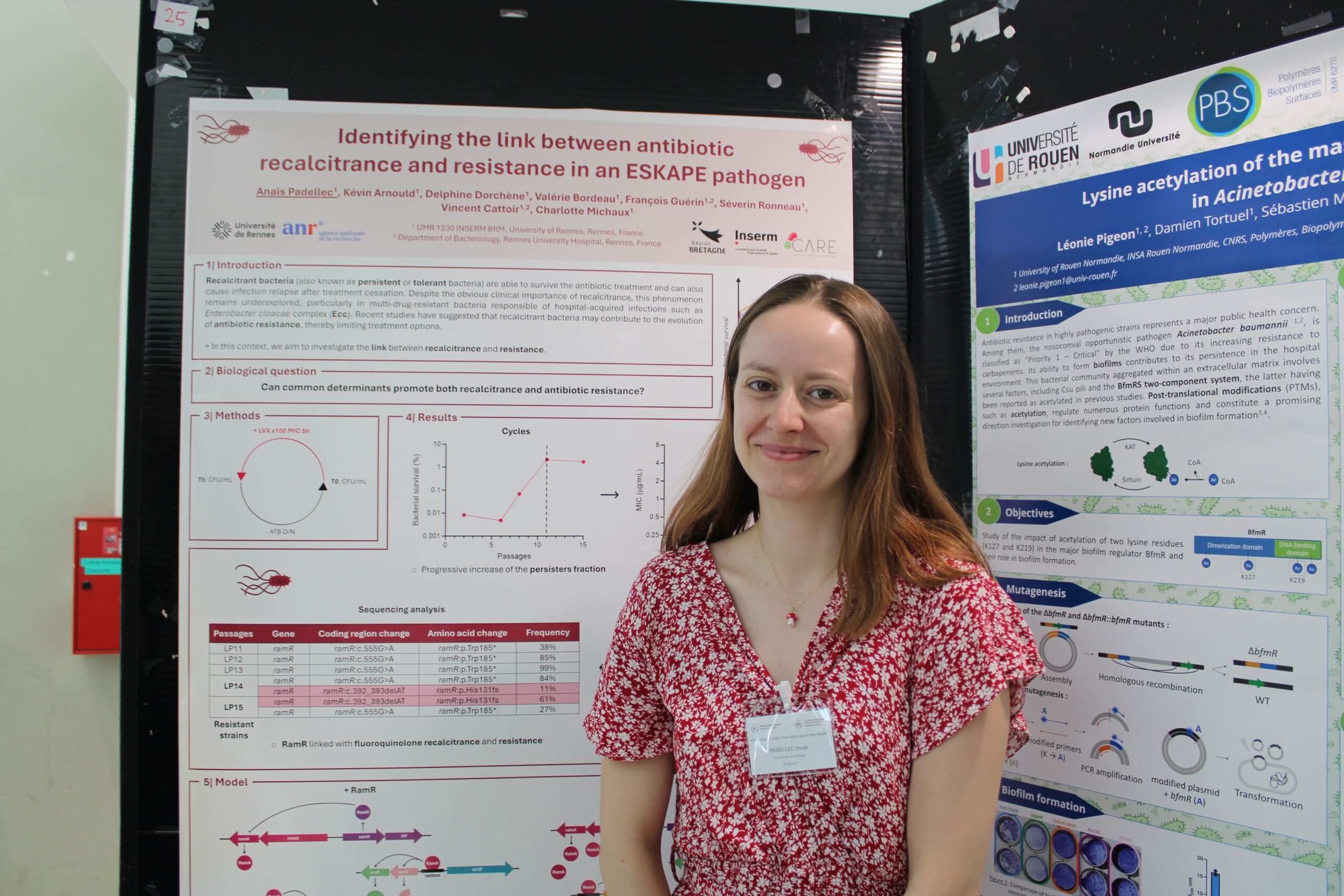
The summer school provided an opportunity to explore the mechanisms through which bacteria and other pathogens adapt to treatments, as well as new strategies developed by researchers to combat infections. Young scientists also presented their work through scientific talks and a poster session.
The One Health approach at the heart of the programme
As a central theme throughout the event, the One Health approach highlighted the close links between human health, animal health and the environment in the context of antimicrobial resistance, as well as the mechanisms through which resistant bacteria can be transmitted between animals and humans. These challenges underscore the importance of collaboration across disciplines to address this global issue.
Finding new solutions and building connections
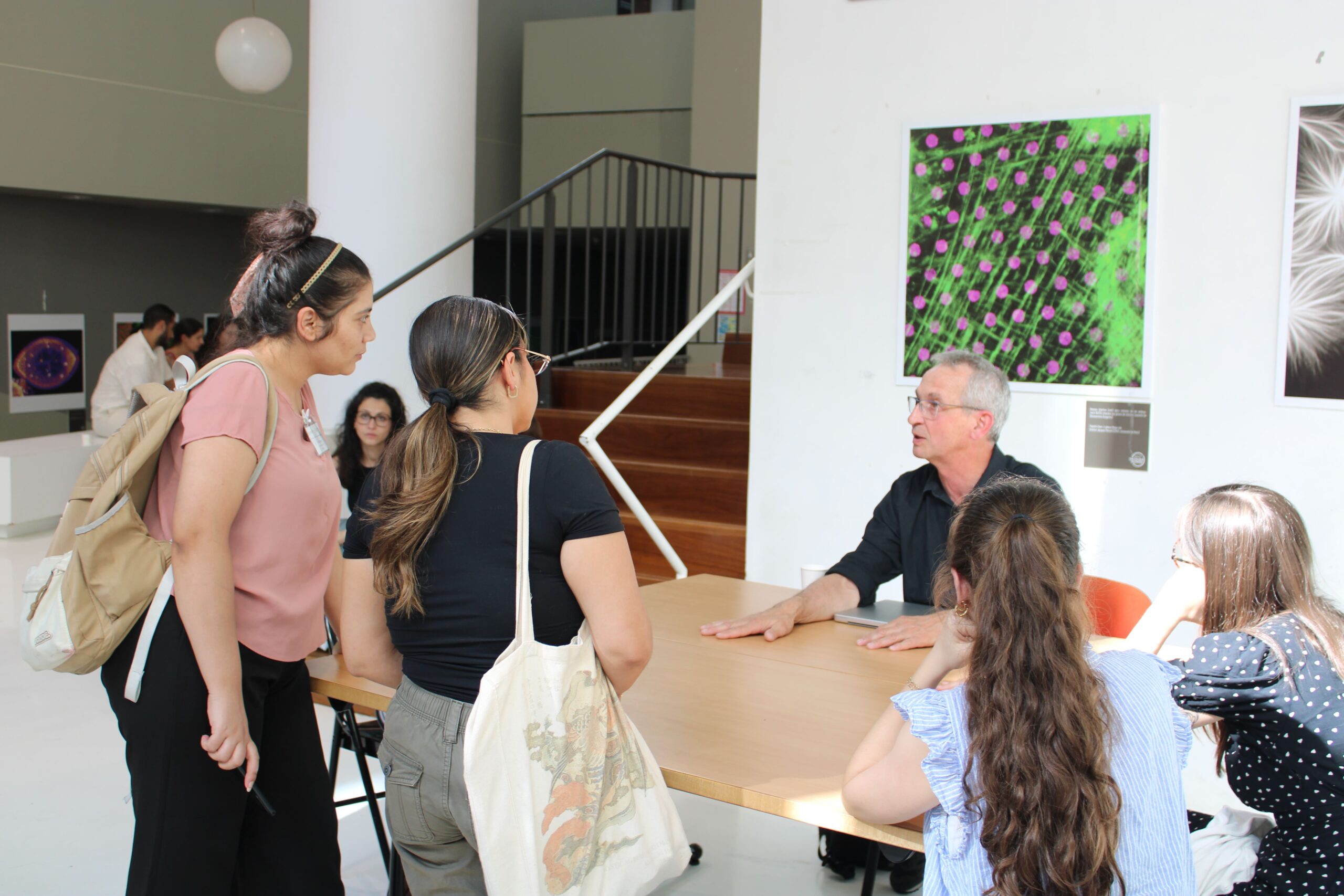
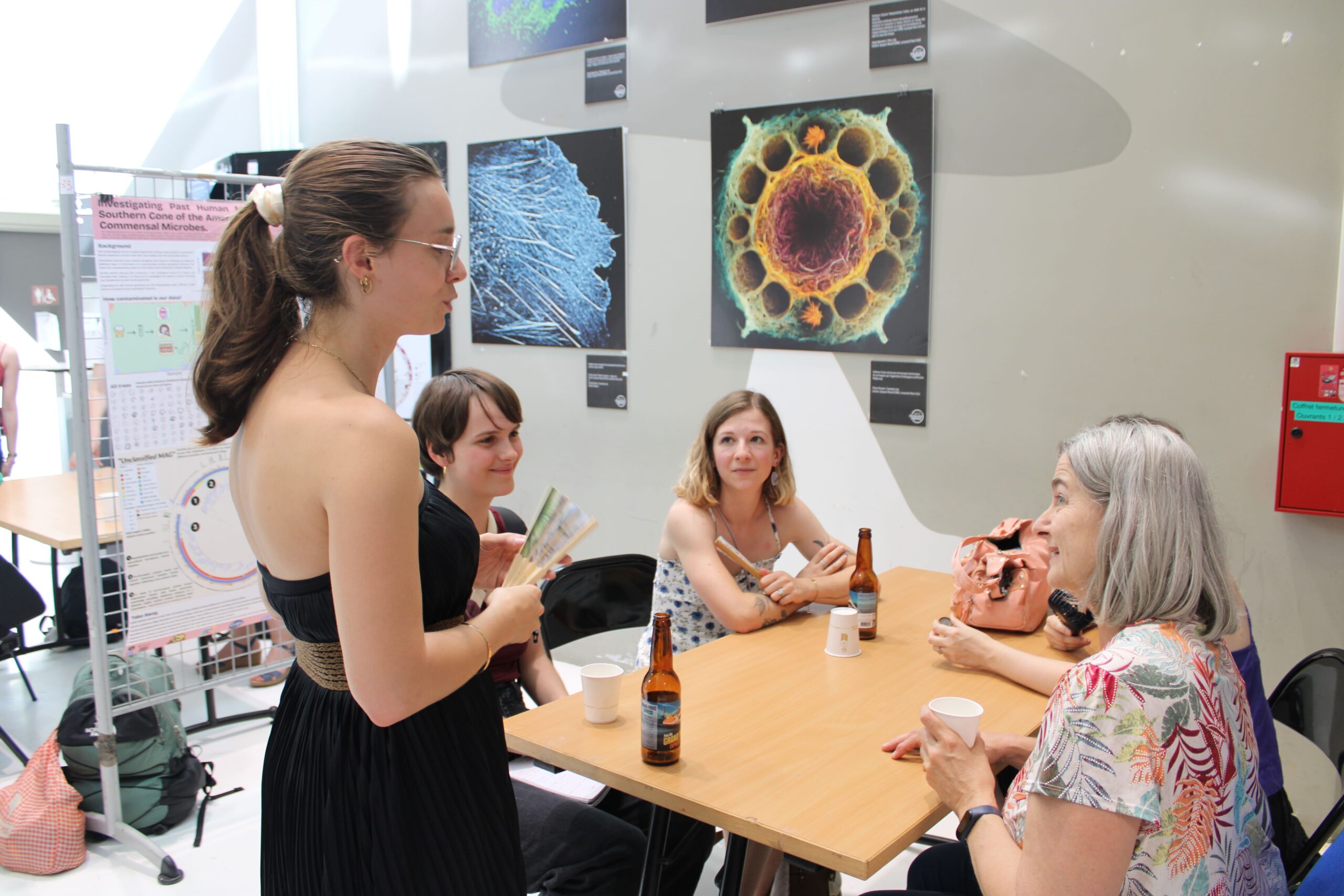
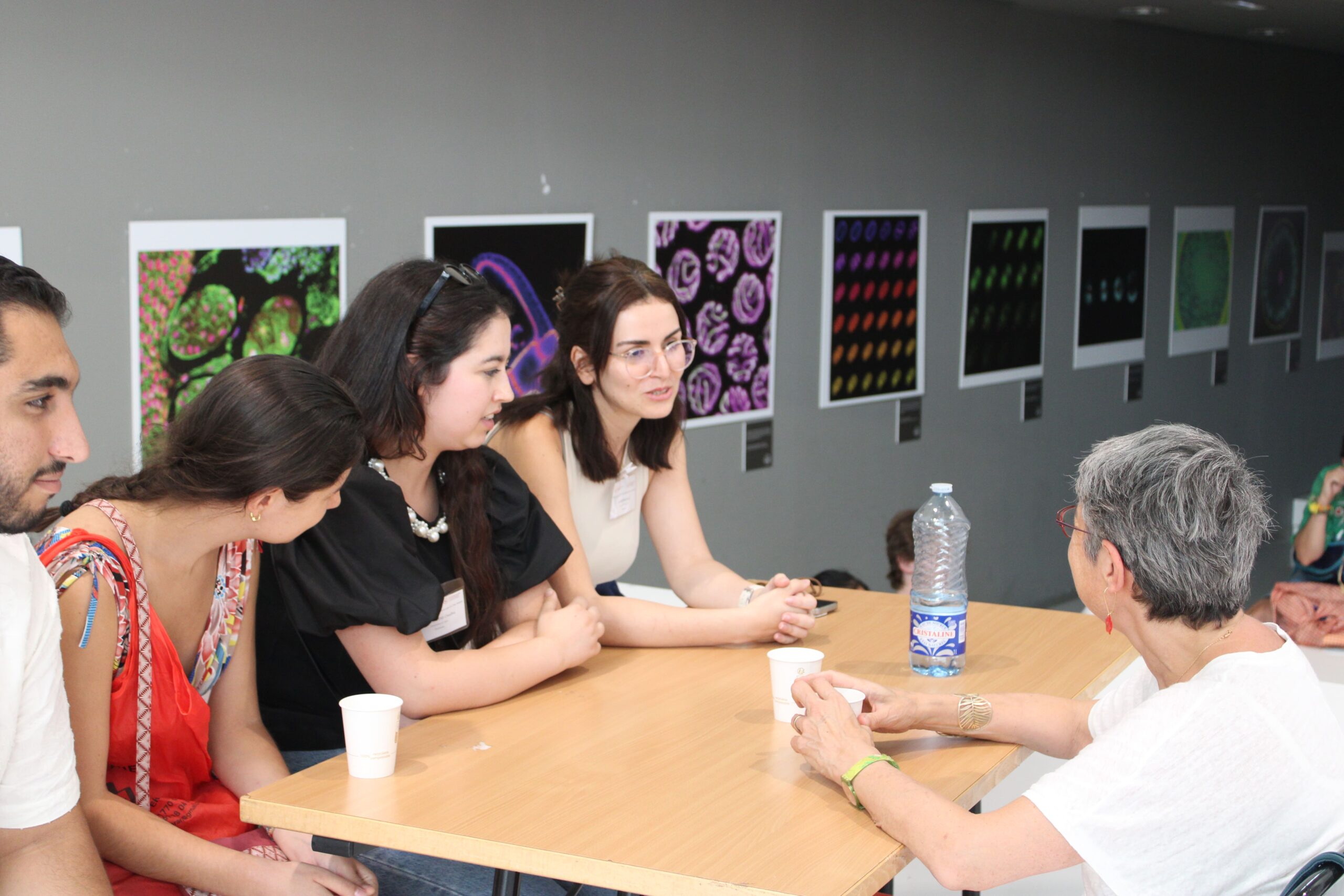
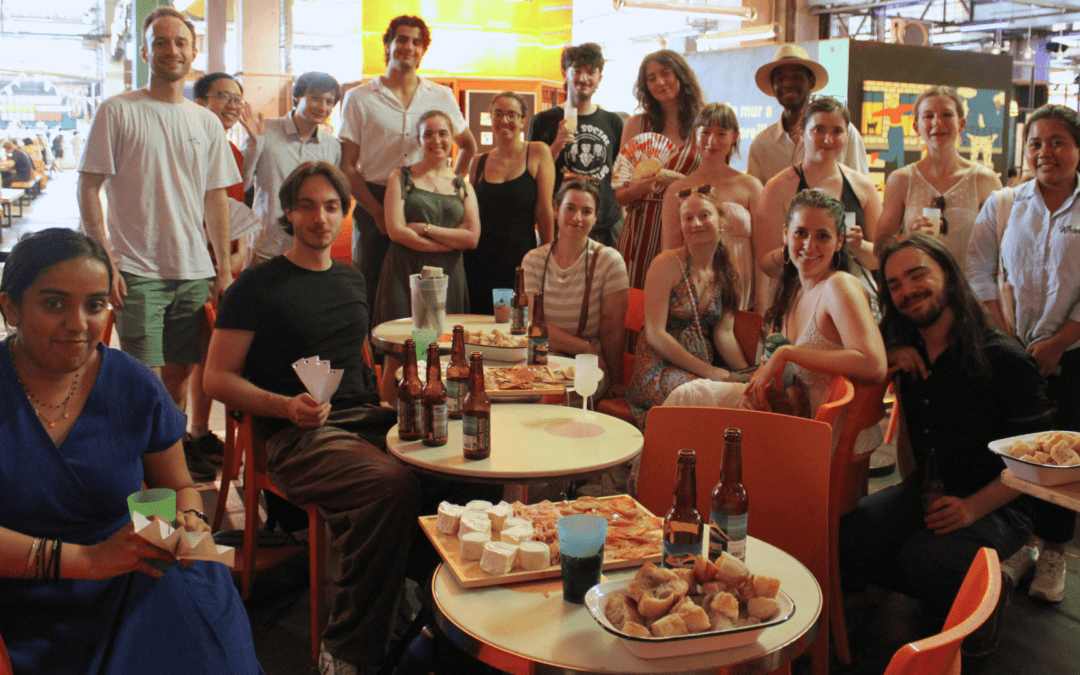
New strategies to tackle antimicrobial resistance were also explored, including innovative approaches to preventing and treating infections. Beyond the scientific sessions, participants had many opportunities to connect and exchange ideas. A scientific speed-dating session brought together researchers from different fields and at different stages of their careers, followed by a dinner aboard a boat on the Seine. This convivial evening was one of the highlights of the summer school, illustrating the importance of informal exchanges in sharing ideas and fostering new collaborations.
Preparing for the future
Finally, the role of data and modelling featured prominently in the discussions, particularly in helping to better understand and anticipate the spread of antimicrobial resistance. Drawing in particular on lessons learned from the COVID-19 pandemic, participants explored how these tools can help improve treatments and better prepare for future challenges. The summer school concluded with an awards ceremony recognising the best presentations, followed by a closing lunch, bringing three days dedicated to science and networking to a close.
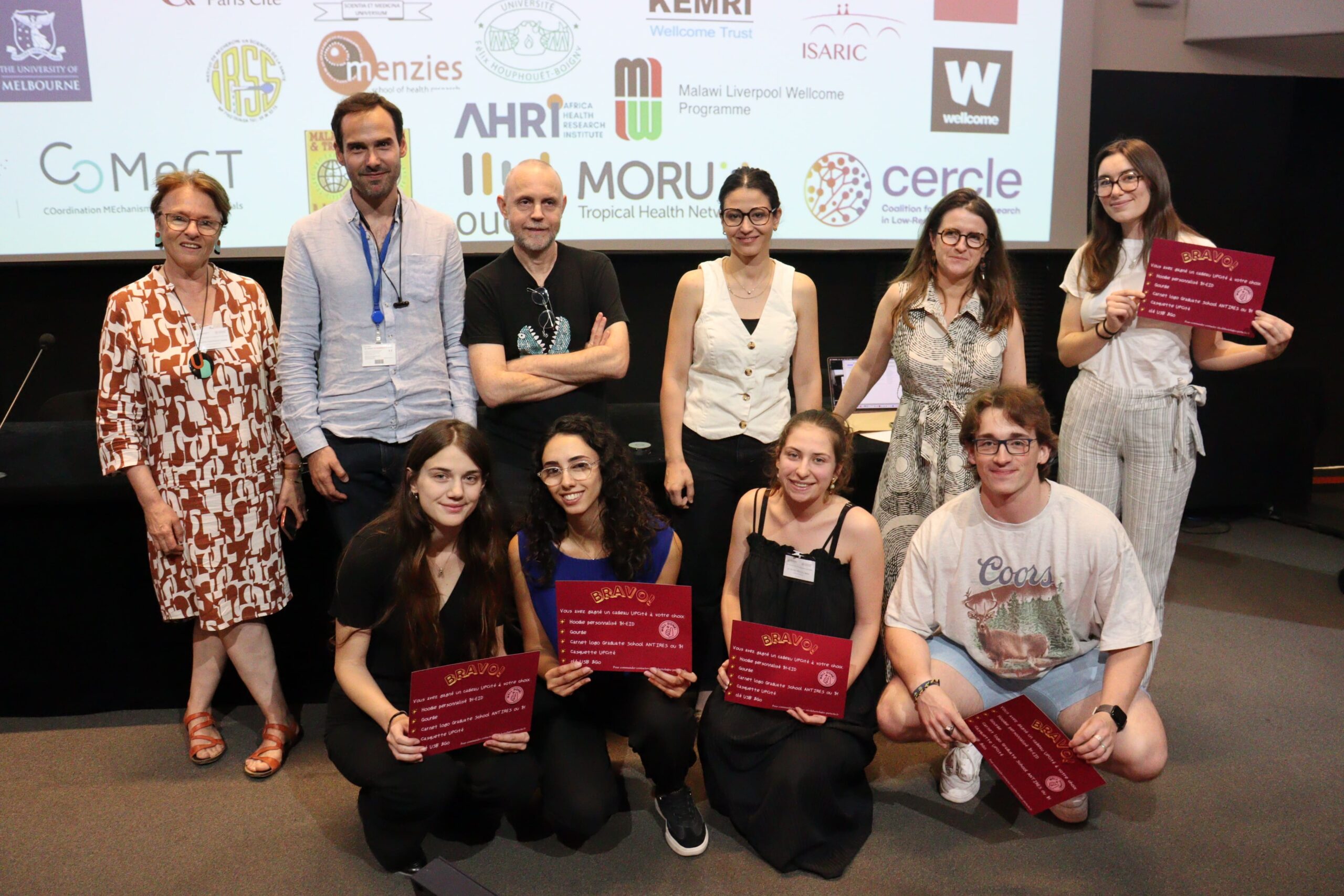
« The Summer school on antimicrobial resistance (AMR) was a highly enriching experience. It provided a great opportunity to meet and discuss with experts and participants from different scientific backgrounds, which helped me gain new perspectives. As a virologist, I especially appreciated the broad and multidisciplinary approach to AMR, which made the program both accessible and relevant, allowing me to explore topics beyond my own field. » Rebecca Kanaan, participant
A collective effort to address a global challenge
By bringing together, over three days, expertise spanning structural biology, parasitology, virology, microbial ecology, clinical pharmacology and epidemiological modelling, AMR Horizons 2026 highlighted the need for a truly transdisciplinary response to antimicrobial resistance. Organised by the Graduate Schools One Health – Emerging Infectious Diseases and Antimicrobial Resistance at Université Paris Cité, with the support of France 2030 and partners such as MICROB’EX, this summer school reaffirms its ambition: to promote an integrated approach to human, animal and environmental health, at the heart of the One Health philosophy.
Read more
The MIcrobeS Doctoral School: a strategic framework for doctoral training in microbiology and infectious diseases at Université Paris Cité
At the start of the 2026 academic year, the Microorganisms and Infection Doctoral School (MIcrobeS) officially opened at Université Paris Cité. This doctoral school, at the heart of today’s major scientific and health challenges, aims to train a new generation of...
French-German Summer School 2026: A Scientific and Intercultural Gathering to Explore Re-emerging Diseases
From June 29 to July 3, 2026, the École Nationale Vétérinaire d'Alfort (ENVA) and the Graduate School One Health–Emerging Infectious Diseases (1H-EID) of Université Paris Cité (UPCité) hosted the 2026 edition of the French-German Summer School. Over a week rich in...
The Amazon, Viruses, and Vampires: what a year of 1H-EID webinars revealed to the world.
1,500 people connected from 30 countries. 14 sessions. Two languages. One question: how do we live with emerging diseases? As part of its pedagogical and digital innovation efforts to raise awareness among the widest possible audience, the Graduate School One Health...
The Graduate School 1H-EID celebrates the 2025/2026 cohort of the MIE Master’s programme!
Congratulations to the graduates of the 2025/2026 cohort of the Master 2 Emerging Infectious Diseases (MIE) programme! To celebrate this achievement, the Graduate School One Health – Emerging Infectious Diseases organised a festive evening at Ground Control in honour...