
Imagine you are having lunch with family or out with friends when suddenly a news alert appears on TV or social media: new cases of influenza are spreading across your country. Have you ever wondered what happens before this information reaches you? This is the exercise that the students of the Graduate School 1H-EID Master’s program worked on.
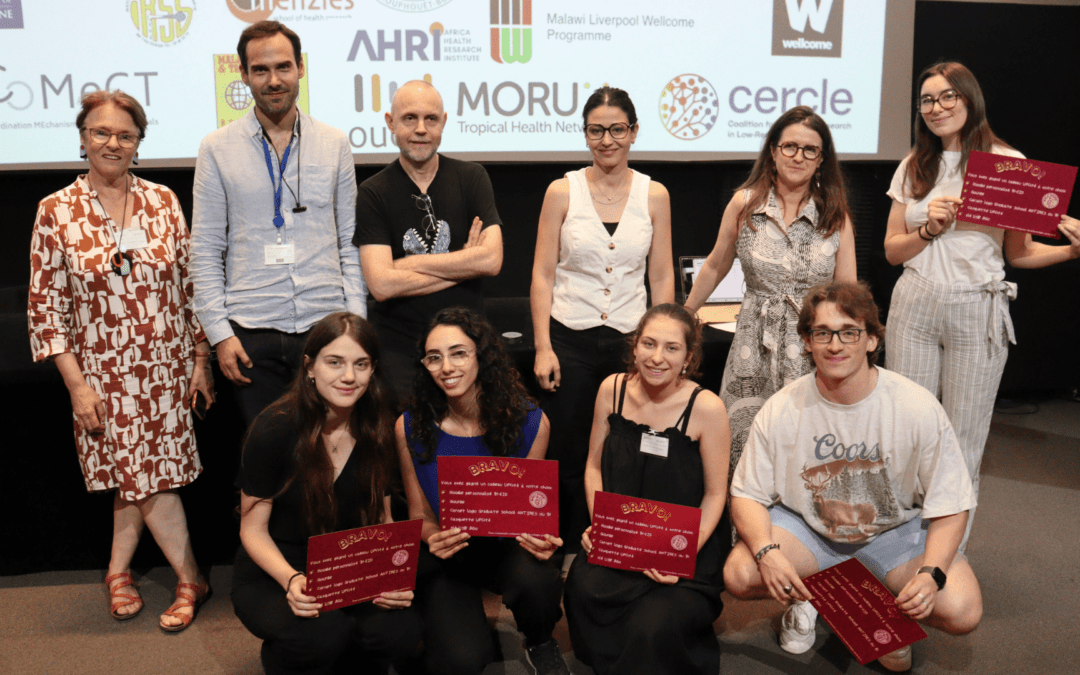
During public health emergencies, it is not always easy to grasp the complex chain of events between the identification of the first patient, laboratory analyses, and the final communication to the public. This year, in perfect alignment with the One Health approach, our Master students tackled realistic emergency scenarios by creating infographics that clearly highlight the importance of having specialized professionals capable of coordinating communication and procedures among the various partners involved : from initial detection to public communication.
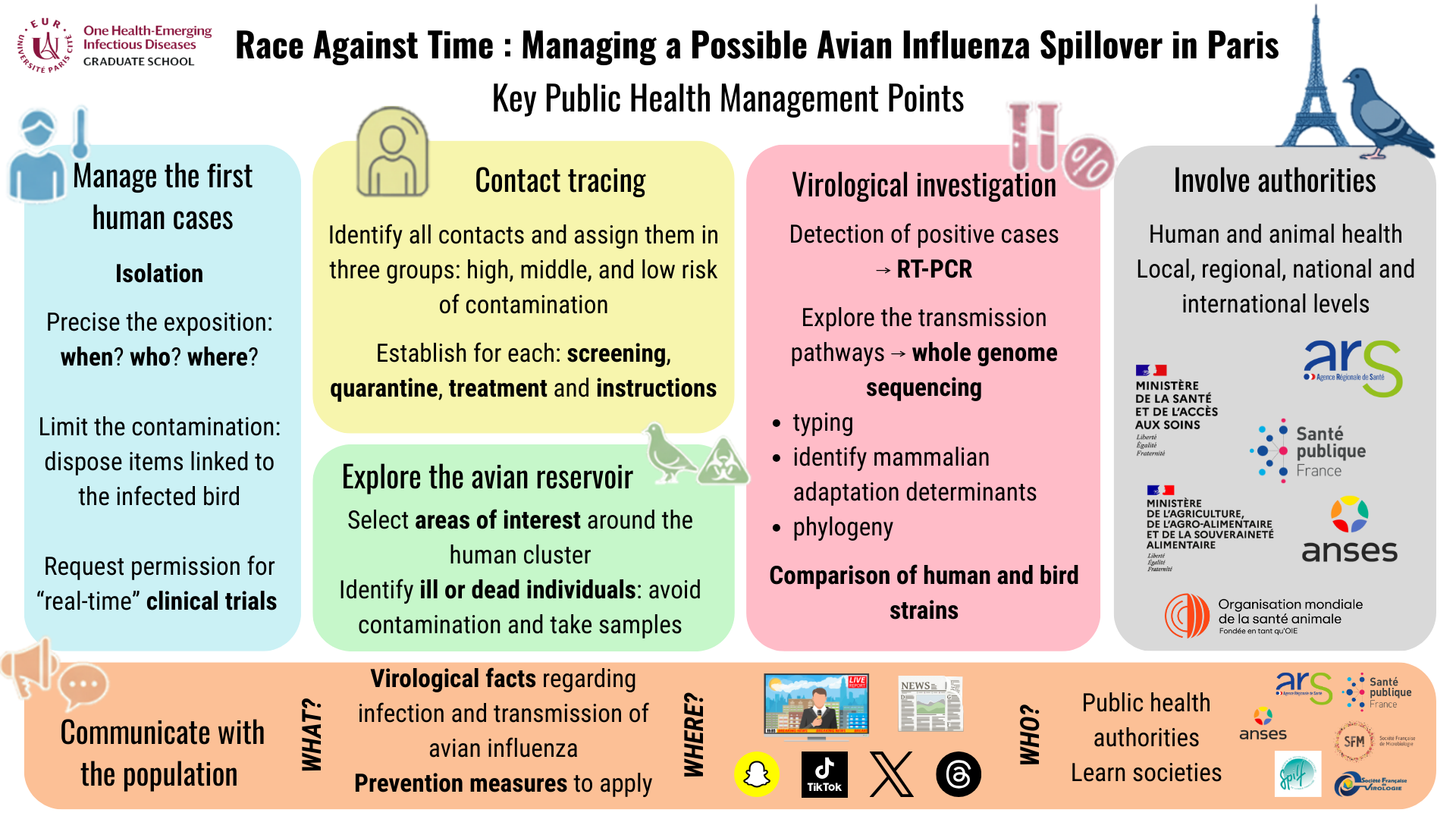
Scenario 1: Urban Avian Influenza Case
Two family members are hospitalized with severe pneumonia after handling an injured pigeon with bare hands. Preliminary tests suggest a highly pathogenic avian virus, while rumors spread on social media. Students mapped out the urgent response: coordinating clinical care, notifying public health and veterinary authorities, initiating translational research, and managing media communication, all while the situation rapidly evolves.
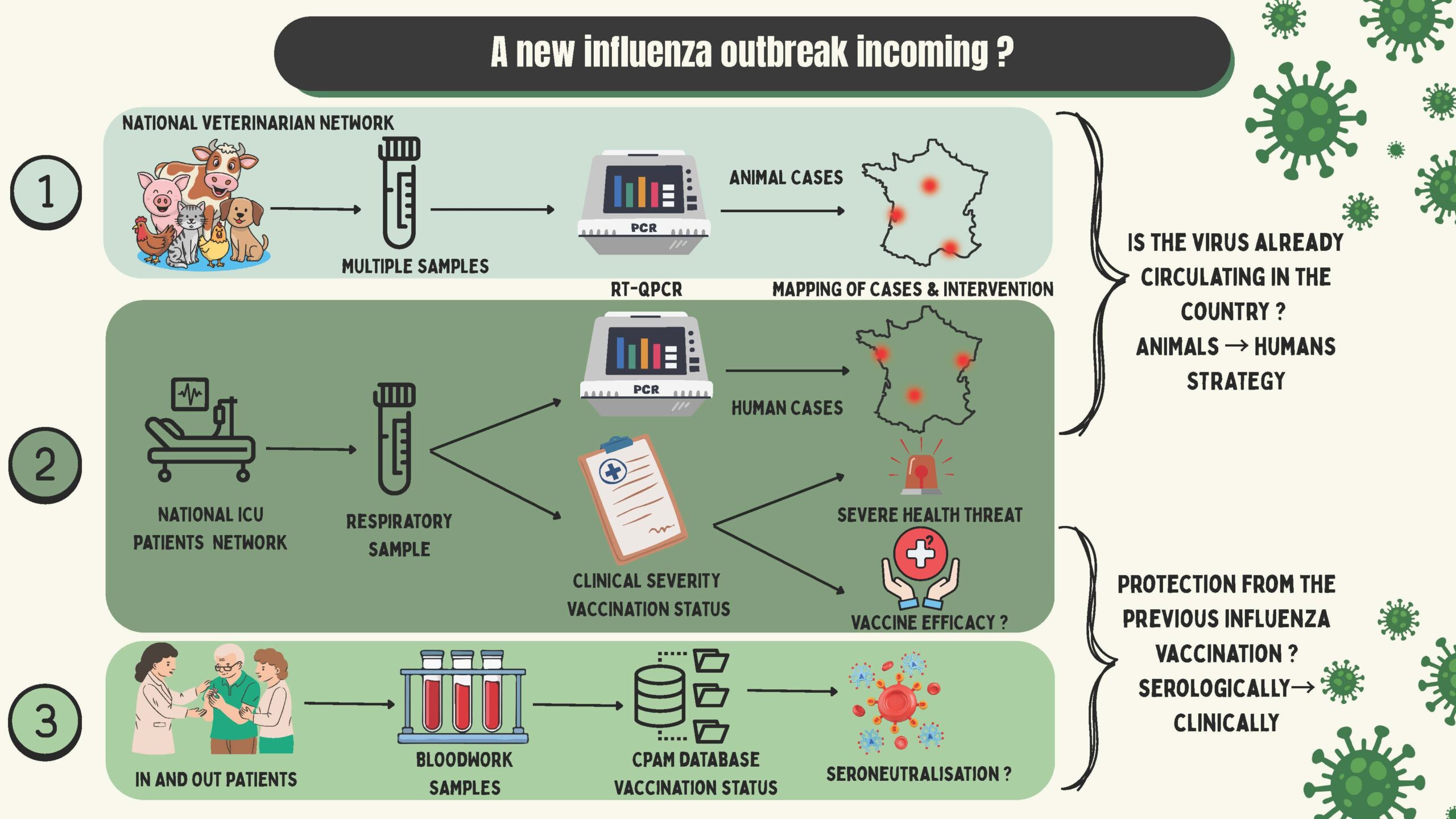
Scenario 2: Cross-Border Avian Influenza Threat
As head of the national reference center for influenza A, you have just days to answer two critical questions for the Ministry of Health: Is the virus already circulating in France? Can previous influenza vaccination provide protection ? Students designed a response using animal surveillance to detect transmission, molecular testing on respiratory samples from intensive care patients to identify infections, and serological analysis combined with vaccination records to assess vaccine efficacy.
These exercises demonstrate that behind every health alert lies a sophisticated network of experts who must act quickly, communicate clearly, and coordinate seamlessly to protect public health.
À lire aussi
AMR Horizons 2026: Three Days to Rethink Antimicrobial Resistance
From 8 to 10 July 2026, the Graduate Schools Antimicrobial Resistance and One Health – Emerging Infectious Diseases brought together researchers, healthcare professionals, representatives from industry, and students in Paris to address a shared challenge:...
French-German Summer School 2026: A Scientific and Intercultural Gathering to Explore Re-emerging Diseases
From June 29 to July 3, 2026, the École Nationale Vétérinaire d'Alfort (ENVA) and the Graduate School One Health–Emerging Infectious Diseases (1H-EID) of Université Paris Cité (UPCité) hosted the 2026 edition of the French-German Summer School. Over a week rich in...
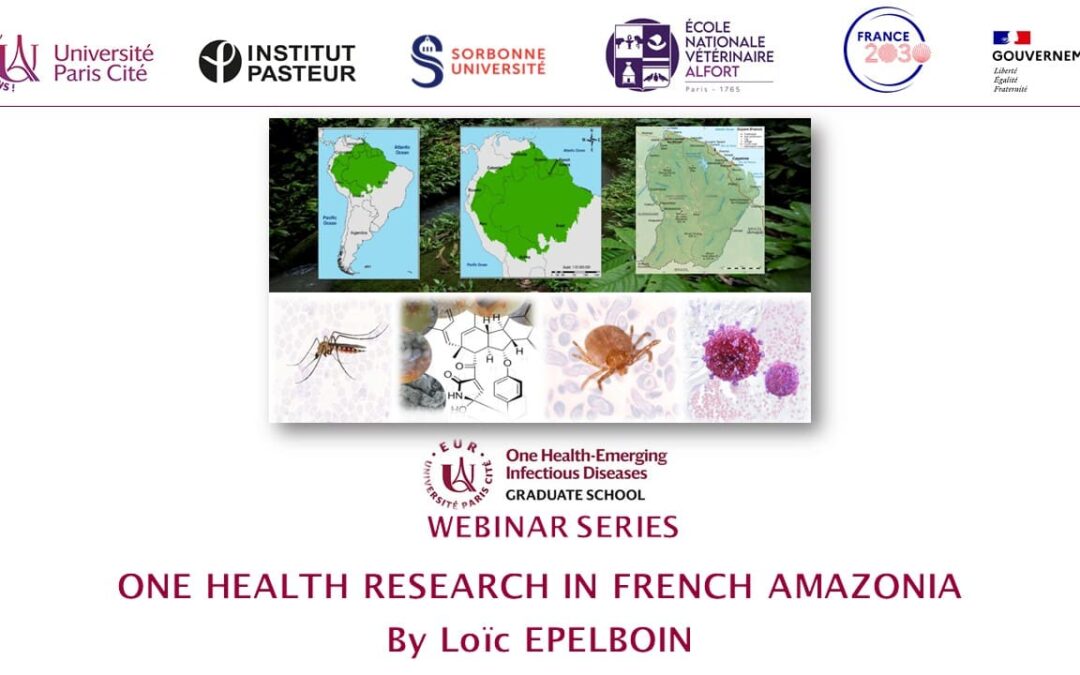
The Amazon, Viruses, and Vampires: what a year of 1H-EID webinars revealed to the world.
1,500 people connected from 30 countries. 14 sessions. Two languages. One question: how do we live with emerging diseases? As part of its pedagogical and digital innovation efforts to raise awareness among the widest possible audience, the Graduate School One Health...
The Graduate School 1H-EID celebrates the 2025/2026 cohort of the MIE Master’s programme!
Congratulations to the graduates of the 2025/2026 cohort of the Master 2 Emerging Infectious Diseases (MIE) programme! To celebrate this achievement, the Graduate School One Health – Emerging Infectious Diseases organised a festive evening at Ground Control in honour...